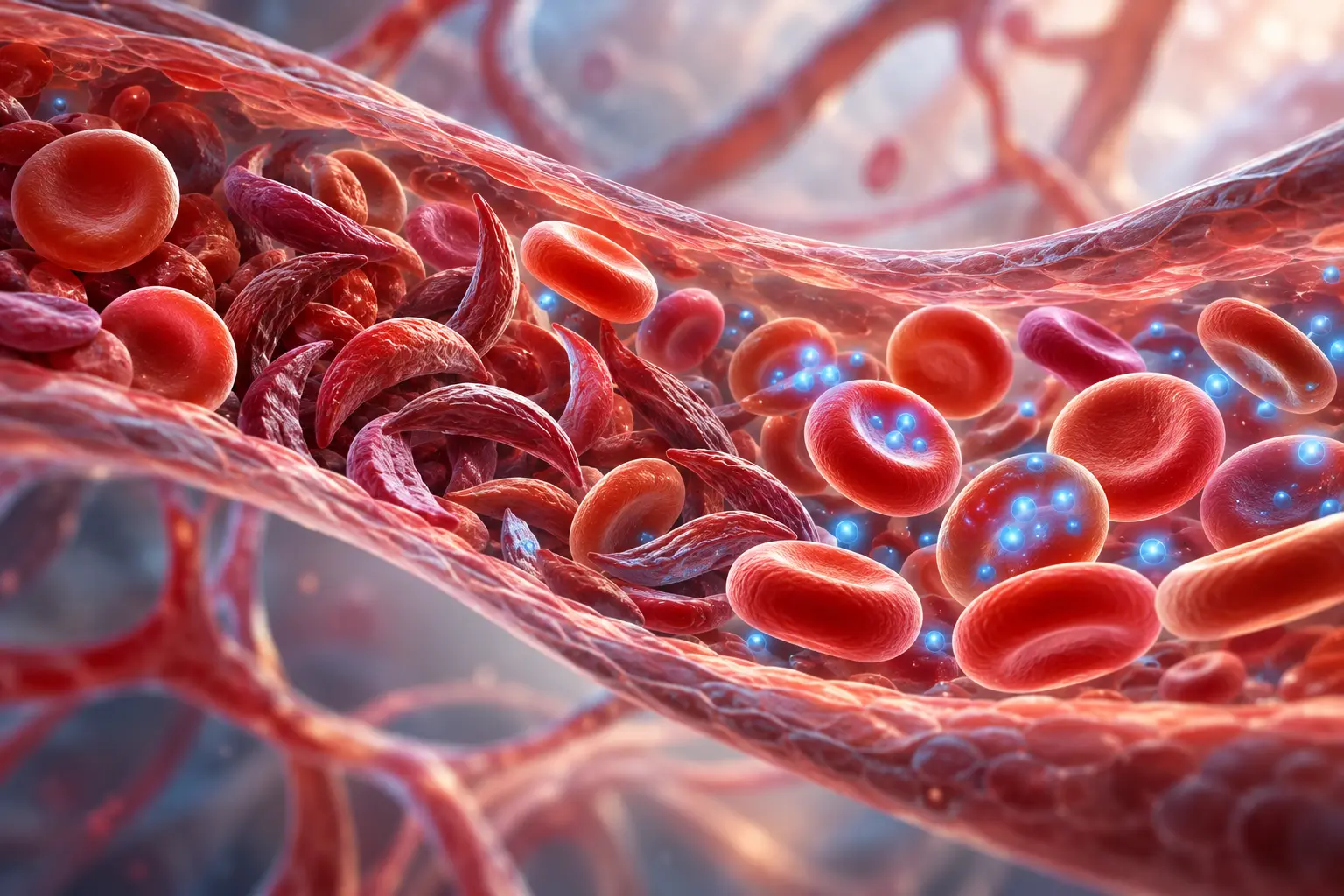
NHS Blood and Transplant has reported a growing gap between demand for closely matched red cells and the blood currently available for people living with sickle cell disorder in England.
More than 19,000 people are now living with sickle cell disorder in England. Earlier diagnosis and improved specialist care have helped more patients survive into adulthood, but they have also increased the number of people requiring regular transfusion support.
“The NHS can currently meet only around half of the blood demand for patients with sickle cell who rely on regular transfusions.”
NHSBT estimates that at least 16,000 additional Black-heritage donors are needed to meet current demand.
A compatibility problem, not only a volume problem
Patients with sickle cell frequently require red cells closely matched beyond ABO and RhD. Donors of Black heritage are more likely to carry the Ro subtype needed by many patients with sickle cell disorder.
One patient described by NHSBT receives red-cell exchange every seven weeks, using seven to eight donated units during each procedure. Red-cell exchange removes sickled red cells and replaces them with healthy donor cells.
The treatment can be highly effective, but it depends on repeated access to compatible donor blood.
Two questions raised by the announcement
- How can the donor pool for closely matched red cells be expanded?
- What options exist when compatible cells cannot be obtained in time or when repeated transfusion introduces additional clinical complications?
Increasing donor recruitment, improving genomic matching and using red-cell exchange appropriately remain essential.
At the same time, the scale of the reported supply gap supports further research into how oxygen delivery can be maintained when appropriate donor red cells are unavailable, delayed or do not restore oxygen delivery as expected.