PPH · Global Humanitarian Crisis
The crisis is real.
The numbers are not just statistics.
Postpartum hemorrhage is a time-critical blood-access emergency. When help does not arrive in time, mothers and families pay the price.
1 maternal death / 3 minWHO African RegionApproximately 20 maternal deaths every hour
2 newborn deaths / minWHO African RegionApproximately 120 newborn deaths every hour
178,000maternal deaths / yearWHO African Region estimate
1 millionnewborn deaths / yearWHO African Region estimate
These WHO African Region context figures describe maternal and newborn mortality overall, not PPH alone. Estimates vary by source, country and year. BHOC relevance remains a research hypothesis about complementary oxygen delivery, not an approved PPH treatment claim.
Current implementation signal — Kenya, 2026. A five-year USD 80 million Kenya–Beginnings Fund partnership is scaling maternal and newborn care across 21 high-burden counties and nearly 200 high-volume facilities.
Read the BHOC PPH perspective →
EMS · Prehospital · Remote Care
The bleeding starts before the hospital.
So does the oxygen-delivery crisis.
Trauma, hemorrhage and distance create a critical window between oxygen need and definitive care.
A bridge solution for the minutes when donor blood is delayed, unavailable or difficult to deploy.
>10,000U.S. severe blood-loss deaths / yearPHBTC-reported context
>27 / daysevere blood-loss deathsDaily equivalent of the annual PHBTC estimate
400+ground EMS blood programsU.S. 9-1-1 systems carrying blood
<3%of eligible agenciesGround EMS agencies carrying blood
Examples from U.S. EMS / PHBTC reporting; dates and scope matter. The BHOC question is complementary oxygen delivery alongside hemorrhage control and established care, not replacement of transfusion.
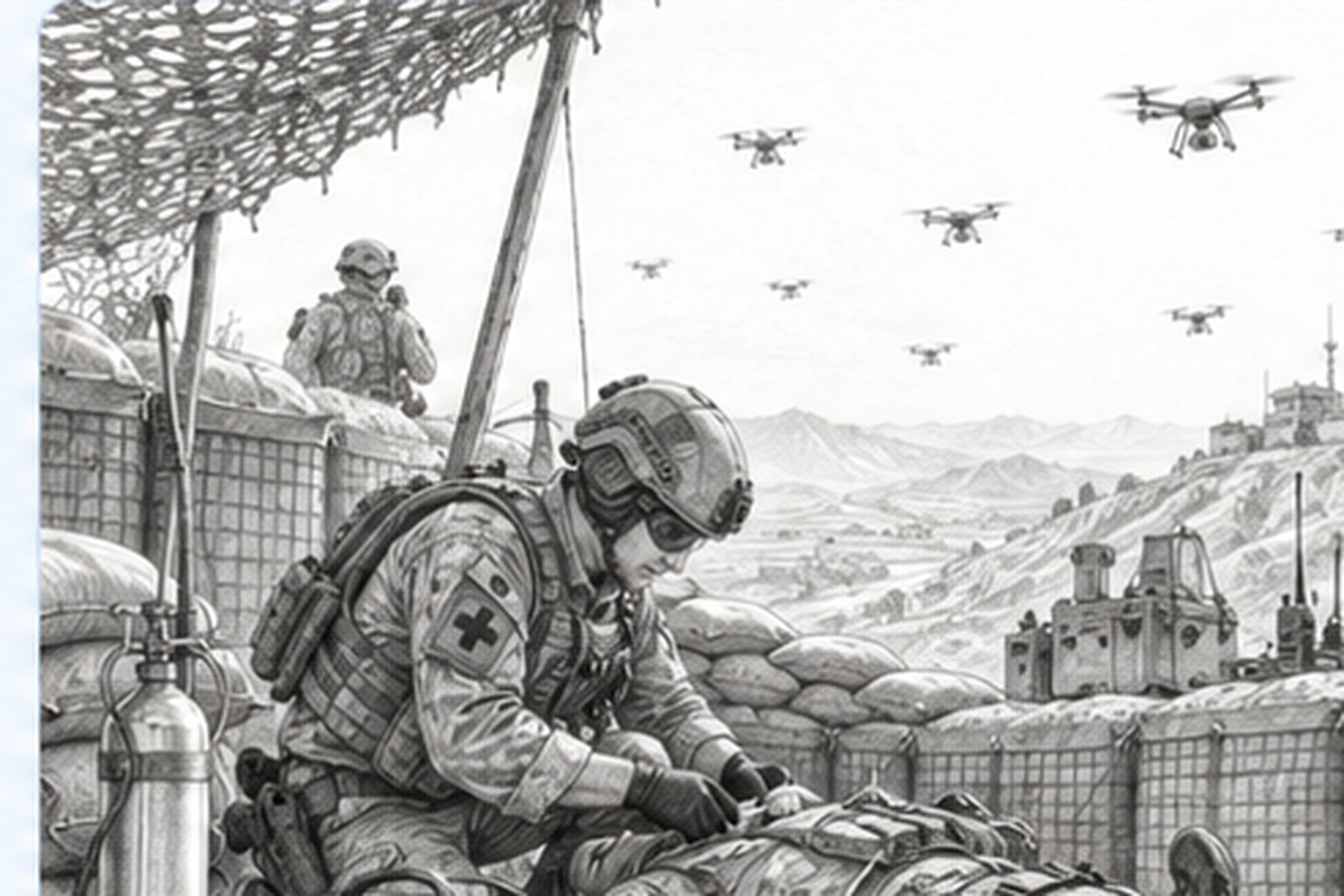
Military & Disaster Medicine · Prolonged Casualty Care
When evacuation is delayed.
Oxygen delivery becomes a logistics problem.
Contested evacuation, disrupted infrastructure and prolonged care can extend the interval between severe blood loss and definitive blood or surgery.
The emerging requirement: move critical physiological capability toward — and potentially with — the casualty.
72 hplanning horizonCurrent U.S. Army prolonged-care expectation
>96 hselected capability standardU.S. Marine Corps training context
24 h–multiple daysreported forward careContemporary Ukraine clinical reports
5–7 dR&D horizonUSSOCOM prolonged field-care requirement
These figures represent different operational observations, planning or capability standards, and research horizons; they are not directly comparable evacuation-time averages. Hemorrhage control, donor blood and definitive care remain central. BHOC relevance is investigational.